Expert insights into dental implant cost South Africa
Expert insights into dental implant cost South Africa
Blog Article
Tooth Implant: All the information You Need to Know for a Effective Procedure
Dental implants offer a dependable answer for people contending with tooth loss. They consist of a titanium post that integrates with the jawbone, ensuring stability. Still, not everyone meets the requirements for this operation. Factors such as bone health and oral hygiene carry significant importance in candidacy. Knowing the process and what to experience can relieve potential concerns. As one examines the details, questions about admissibility and recovery naturally come up.

Understanding Dental Implants: How Does It Work for You?
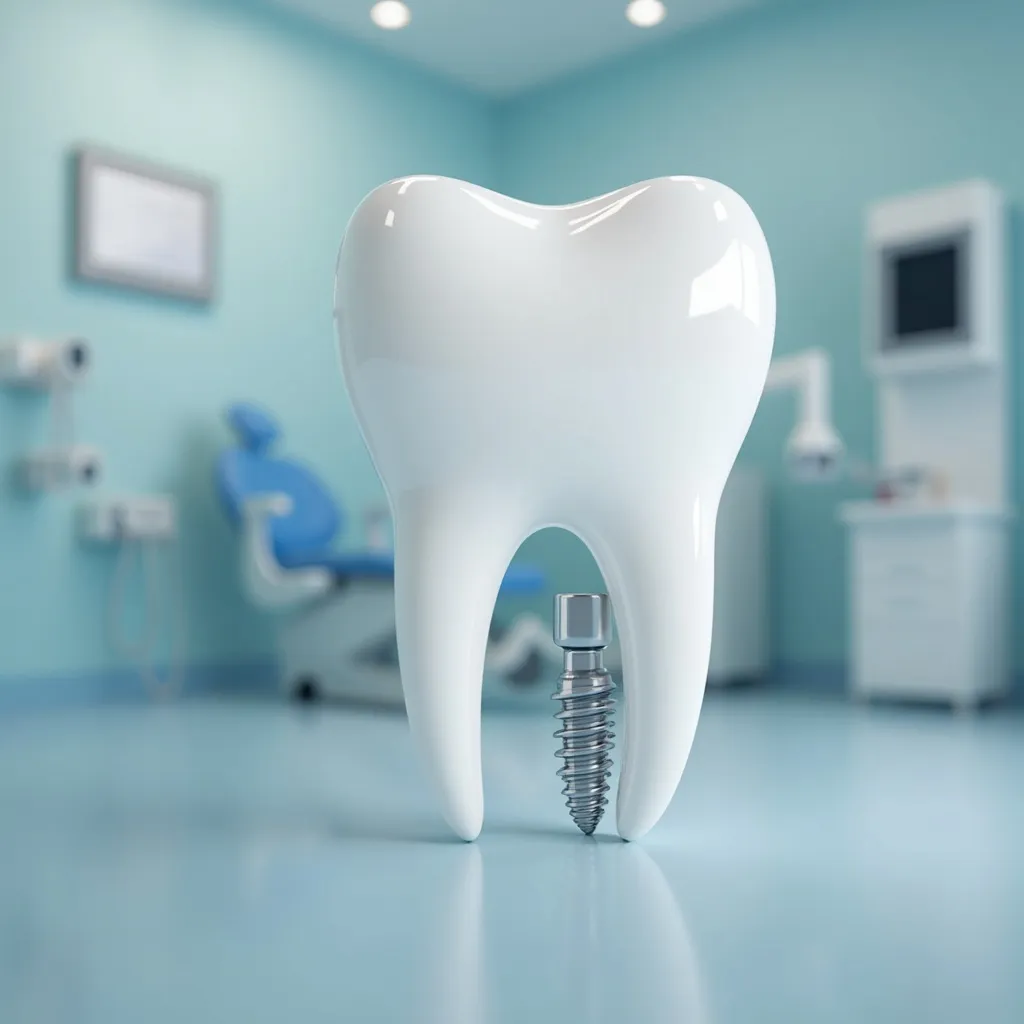
A tooth implant functions as a contemporary option for individuals with tooth loss. This oral treatment consists of inserting a titanium post into the jawbone, which acts as a substitute root for a missing tooth. Over time, the jawbone integrates with the post through a process known as osseointegration, delivering a stable foundation. Once the implant has fully integrated, a personalized crown is attached, replicating the appearance and function of a natural tooth.
Tooth implants offer several benefits, including enhanced chewing ability and better aesthetics. They also help prevent bone loss, which can occur following tooth loss. Unlike traditional dentures, implants do not shift or require adhesives, making them a more reliable option. With proper care, such as regular dental check-ups and proper oral hygiene, tooth implants can last for many years, providing a long-term option for restoring both functionality and appearance to a person’s smile.
Who Makes a Qualified Prospect for Tooth Implants?
Figuring out who qualifies for tooth implants involves evaluating several key factors. Candidates typically include individuals who have lost one or more teeth due to injury, decay, or periodontal disease. A healthy jawbone is essential, as it provides the necessary foundation for the implant. Those with sufficient bone density may be ideal candidates, while individuals with significant bone loss may require additional treatments, such as bone grafting.
Furthermore, patients should maintain good oral hygiene and commit to regular dental visits. Age can also play a role; while there is no strict upper age limit, younger candidates should wait until their jawbone has completely matured. Medical conditions, such as uncontrolled diabetes or certain autoimmune disorders, may impact eligibility. Ultimately, a thorough evaluation by a dentist will establish if tooth implants are a viable choice for the individual, guaranteeing optimal long-term success.
What to Anticipate During the Tooth Implant Process?
Undergoing dental implant surgery can be a life-changing experience for patients seeking to regain their smile. This process typically includes several phases, starting with a thorough consultation and imaging to evaluate bone structure. Once determined appropriate, the patient is given anesthesia to guarantee comfort.
The initial step in the procedure is the surgical insertion of the titanium implant into the jawbone, which functions as the artificial tooth root. This is followed by a recovery phase, allowing the implant to integrate with the bone. After adequate healing, an abutment is affixed, which will support the crown.
Patients may experience some swelling or discomfort after surgery, but this is generally manageable with medications prescribed by your doctor. A custom crown is then created and attached to the abutment, finishing the process. Overall, the tooth implant procedure is carefully planned and executed, targeting superior results and patient satisfaction.
What Will Transpire During The Healing After Tooth Implants?
Recovery after tooth implants progresses in distinct phases, each essential for successful healing. Initially, patients may encounter swelling, bruising, and discomfort, which are normal reactions to the surgical procedure. Pain management often includes prescribed medications or over-the-counter pain relievers.
For the first several days, soft foods are advised to suppress irritation and boost recovery. As the weeks progress, the context information implant gradually bonds with the bone, a process termed osseointegration, which is critical for sustained support.
Follow-up appointments are typically booked to monitor healing and guarantee the implant's proper fusion. Patients are instructed to sustain excellent dental hygiene, avoiding direct cleaning on the treatment site.
A full healing duration may span some months, based on individual circumstances. Resolve and respect for surgical aftercare instructions are necessary for accomplishing the wanted result and securing the implant's success.
Essential Guidelines for Caring for Your Tooth Implants
Taking care of tooth implants is crucial for their longevity and general oral health. Regular cleaning routines, including brushing and flossing, help preserve the integrity of the implants and adjacent gum tissue. Furthermore, regular dental check-ups are vital to monitor the status of the implants and address any possible complications promptly.
Regular Oral Dental Maintenance Methods
Consistent oral hygiene habits are fundamental for ensuring the proper function and longevity of tooth implants. Implant users should brush their teeth at least twice each day with a soft toothbrush and non-harsh toothpaste. Flossing is similarly important; specialized floss or interdental brushes can clean around implants effectively. Rinsing with an antibacterial mouthwash can help reducing plaque buildup and preventing infections. It is advisable to avoid stiff brushes or abrasive agents, as these may wear down the implant surface. Moreover, staying hydrated can aid saliva production, which is important for oral health. By sticking to these daily routines, implant users can significantly enhance the life of their tooth implants and support good oral health.
Frequent oral check-ups allow maintain healthy dentition and gums. Dentists propose scheduling visits every 6 months for best oral health.
Maintaining oral hygiene at home is only part of the equation for ensuring the effectiveness of tooth implants. Regular dental check-ups are crucial for monitoring the health of both the implants and surrounding tissues. A dental professional can identify potential issues, such as infections or bone loss, before they escalate. Typically, patients should arrange appointments every six months, but those with implants may require more frequent evaluations. During these sessions, the dentist will carry out comprehensive cleanings and assess the integrity of the implant. Additionally, a professional can provide tailored guidance on care routines and dietary choices that support long-term implant success. Ultimately, consistent check-ups contribute greatly to maintaining both oral health and the longevity of tooth implants.
Exposing Common Myths Surrounding Tooth Implants
Although numerous individuals view tooth implants a feasible option for missing teeth, several misconceptions surround their effectiveness and safety. One common myth is that implants are extremely painful; however, most patients indicate only mild discomfort during and after the procedure, managed effectively with anesthesia and pain relief.
Yet another false idea is that implants require extensive maintenance. Actually, they can be looked after just like natural teeth, requiring everyday brushing, flossing, and regular dental visits.
Also, some contend that advanced age prevents candidates from getting implants. In reality, as long as sufficient bone density is present, older adults can benefit equally from this treatment.
Lastly, various people fear that implants will seem unnatural. In fact, modern implants are designed to fuse seamlessly with existing teeth, ensuring an appealing result. By dispelling these myths, individuals can make informed decisions about tooth implants as a realistic option for restoring their smiles.
Understanding the Expenses of Tooth Implants
Comprehending the expenses linked with tooth implants requires attention to numerous essential factors. These encompass the specific components impacting pricing, the importance of insurance coverage, and available financing alternatives. A thorough examination of these elements can assist individuals in making informed financial decisions about their dental health.
Factors Impacting Implant Expenses
Several factors influence the price of tooth implants, making it important for individuals to recognize these factors. One significant element is the type of implant chosen, as options differ in material and complexity. The background and expertise of the dental professional also have a important role, with specialists typically charging increased fees. Location impacts costs, with urban areas often having elevated prices than rural areas. Additionally, the need for preliminary procedures, such as bone grafts or extractions, can amplify overall expenses. Finally, the standard of materials used for abutments and crowns contributes to the final cost. Comprehending these factors can help patients form informed choices regarding their tooth implant investments.
Insurance Coverage Aspects
How do insurance policies impact the financial burden of tooth implants? Many dental coverage options offer restricted benefits for implants, often categorizing them as optional treatments. This can result in patients confronting substantial personal costs. Typically, plans may cover a portion of associated expenses, such as appointments or initial procedures, but not the implants themselves. Additionally, some plans may have waiting periods or annual maximums that further complicate budget management. Patients should examine their individual plan information and think about contacting their insurance companies to clarify benefits. Understanding these elements is crucial for effective budgeting, as the overall financial responsibility differs significantly based on individual insurance plans and benefit maximums.
Financing Options Available
Which payment methods are offered for patients considering tooth implants? Multiple options exist to help in managing the costs associated with this dental procedure. Many dental practices offer in-house financing plans, enabling patients to pay in installments rather than a lump sum. Furthermore, third-party financing firms offer loans designed for dental care, usually with flexible repayment options. Some patients may also explore health savings accounts (HSAs) or flexible spending accounts (FSAs) to cover expenses. Using credit cards is another option, but patients should take interest rates into account. Finally, patients should discuss these financing methods with their dental providers to decide the best fit for their financial situation, ensuring access to essential dental care without unnecessary financial pressure.
Regularly Posed Questions People Ask
How Long Do Tooth Implants Typically Endure?
Dental implants commonly last between 10 to 15 years, though many can remain much longer with proper upkeep. Factors impacting longevity include oral hygiene, lifestyle habits, and individual health conditions affecting the jawbone.
Can Tooth Implants Fail, and Why?
Dental implants may not work because of different factors, including infection, poor bone quality, wrong positioning, or failing to follow post-operative care. Understanding these potential problems is essential for supporting long-term effectiveness with dental implants.
Do Other Options Can Be Considered Instead of Tooth Implants?
Yes, alternatives to tooth implants are offered. Options consist of dentures, dental bridges, and resin-bonded bridges. Each solution delivers distinct benefits and drawbacks, permitting individuals to opt according to their particular dental needs and preferences.
Is Dental Implant Expense Paid for by Your plan?
Coverage for dental implants through insurance differs greatly depending on the plan. Some policies may partially cover the costs, while others could exclude them completely. Consumers should reach out to their insurance provider to understand specific coverage details and limitations.
Can smokers get tooth implants with positive results?
People who smoke may receive tooth implants without issue, but their smoking habit elevates the potential of complications, such as infection and implant failure. Seeking guidance from a oral surgeon for individual counsel is important for ideal outcomes.
Report this page